Navigating the Tariff Whiplash: Why the Arizona-Sonora Corridor Remains Resilient
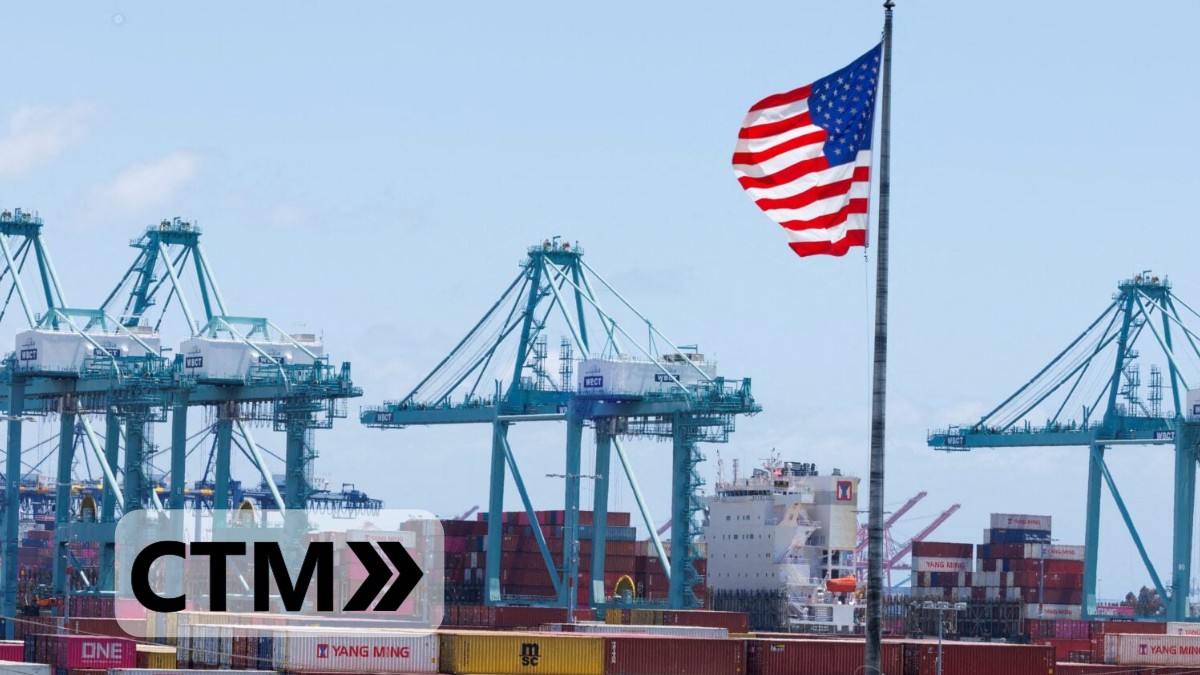
When the Supreme Court struck down the emergency border tariffs this past weekend, the initial reaction across the North American manufacturing sector was collective relief. But as we all saw within hours, the end of one tariff simply marked the beginning of another under new legal authorities.
The immediate anxiety may have paused, but the underlying uncertainty hasn't stopped. For shippers managing cross-border supply chains, this kind of policy whiplash is incredibly frustrating.
But if the last few years have taught us anything, it is this: the global supply chain is remarkably resilient, and it will adapt. Trade policies shift, courts intervene, and new rules are drafted, but the fundamental mechanics of North American industry do not stop.
Here is why our specific part of the world—the Arizona-Sonora Tech Corridor—is strategically positioned to endure and adapt to this ongoing macroeconomic rollercoaster.
1. The Freight is "Mission-Critical"
The dynamic of the Hermosillo-Nogales-Phoenix loop is uniquely insulated compared to other border crossings. We are not primarily moving fast-fashion or low-margin consumer goods that can be easily priced out of the market by a sudden tax hike.
This corridor is the backbone of the "Silicon Desert" and the "Plan Sonora" green energy initiative. We are moving semiconductors, lithium, aerospace components, and sensitive electronics. This is high-value, mission-critical freight. Regardless of the immediate regulatory landscape, the US tech sector requires these components to function. The freight will continue to move; the execution just needs to be tighter.
2. High-Value Goods Demand Speed Over Pure Cost
When tariffs threaten to squeeze profit margins, companies naturally look to cut costs elsewhere. However, trying to save pennies by using massive, slow-moving carriers through congested Texas ports will actually cost tech manufacturers more in inventory holding costs and production delays.
In a volatile trade environment, speed and predictability become your best financial defenses. The direct, high-speed route through the Nogales gateway allows manufacturers to maintain leaner inventories and react faster to market changes, offsetting the friction created by shifting policies.
3. The Power of Physical Control (The Hybrid Advantage)
When regulatory whiplash hits the news, the logistics spot market panics. "Broker-only" platforms scramble, third-party carrier rates become highly volatile, and communication breaks down at the border.
This is exactly why we built CTM as an asset-based Hybrid Model.
When the market gets chaotic, the only way to guarantee stability is to own the "iron." Because we own our trucks and have direct relationships with port officials in Nogales, our clients are insulated from the panic of the spot market. We control the schedule, we control the equipment, and we provide real-time, ground-level truth—not just updates from a load board.
The Bottom Line
The legal and political battles in Washington will continue to unfold, but the Phoenix-Sonora connection remains the future of high-tech North American trade. Supply chains will adapt, routes will be optimized, and the most agile companies will win.
Uncertainty requires reliable partners. If you are looking for a logistics provider who owns their assets and understands the ground truth of the border, we are here to help you navigate whatever comes next.
>> Contact the CTM team today to discuss your cross-border strategy. <<