Global Chokepoints and Fuel Spikes: How Nearshoring to Sonora Insulates Your Supply Chain
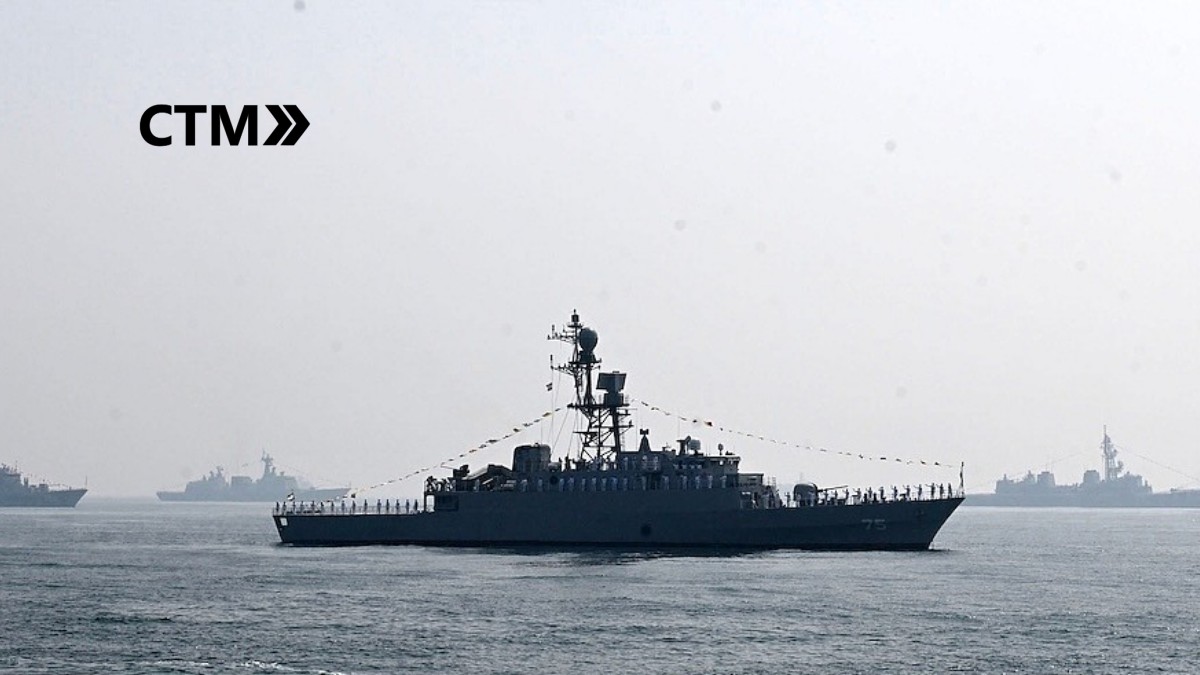
The geopolitical events unfolding in the Middle East this week are sending undeniable shockwaves through the global economy. With the effective closure of the Strait of Hormuz, a chokepoint that handles roughly 20% of the world’s oil and LNG energy markets are reacting violently, and global ocean freight is once again being thrown into chaos.
For U.S. manufacturers and shippers, watching the price of Brent crude jump while ocean carriers declare force majeure is a stark reminder of a hard truth: if your supply chain relies on a container ship crossing an ocean, you are highly exposed to global volatility.
At CTM, we are closely monitoring the macroeconomic impacts of this conflict. Here is what shippers need to know about the current landscape, and why the Arizona-Sonora corridor is proving to be the ultimate strategic defense.
1. The Ocean Freight Nightmare Returns
We are already seeing maritime insurers cancel war-risk coverage and major carriers reroute vessels to avoid the Middle East entirely. For companies importing components or finished goods from Asia or Europe, this means a sudden return to skyrocketing container rates, massive insurance premiums, and weeks of transit delays.
2. The Geographic Reality of Nearshoring
This exact type of global disruption is the primary driver behind the massive nearshoring boom in Mexico.
When your manufacturing base is located in Hermosillo, Sonora, you bypass international maritime chokepoints entirely. Your freight does not need to navigate the Red Sea, the Suez Canal, or the Strait of Hormuz. Instead, it moves up Highway 15 and crosses directly into the United States via the secure Nogales port of entry. In a world where ocean transit is becoming increasingly unpredictable, a 250-mile land bridge to Phoenix is a manufacturer’s greatest asset.
3. Managing the Fuel Price Spike
While a land-based North American supply chain protects you from ocean freight delays, no industry is immune to the rising price of oil. The spike in global crude prices will inevitably lead to higher diesel costs and fuel surcharges at the pump here in North America.
However, the exposure to that fuel spike is vastly different. Absorbing a fuel surcharge on a truck run from Sonora to Arizona is highly manageable. Absorbing the fuel and war-risk surcharges of a container ship navigating around the Cape of Good Hope is economically devastating.
Stability in a Volatile Market
Furthermore, when fuel prices spike, the logistics spot market panics. "Broker-only" platforms immediately pass inflated costs onto shippers to protect their margins. Because CTM operates an asset-based Hybrid Model, we own our trucks. We provide our clients with predictable, stable capacity and transparent pricing, insulating them from the reactionary chaos of the open market.
Global trade is shifting. The companies that survive the macroeconomic whiplash of 2026 will be the ones that localized their operations.
>> Contact the CTM team today to build a resilient, cross-border supply chain. <<